Forest Gate waste clearance guide for Green Street market
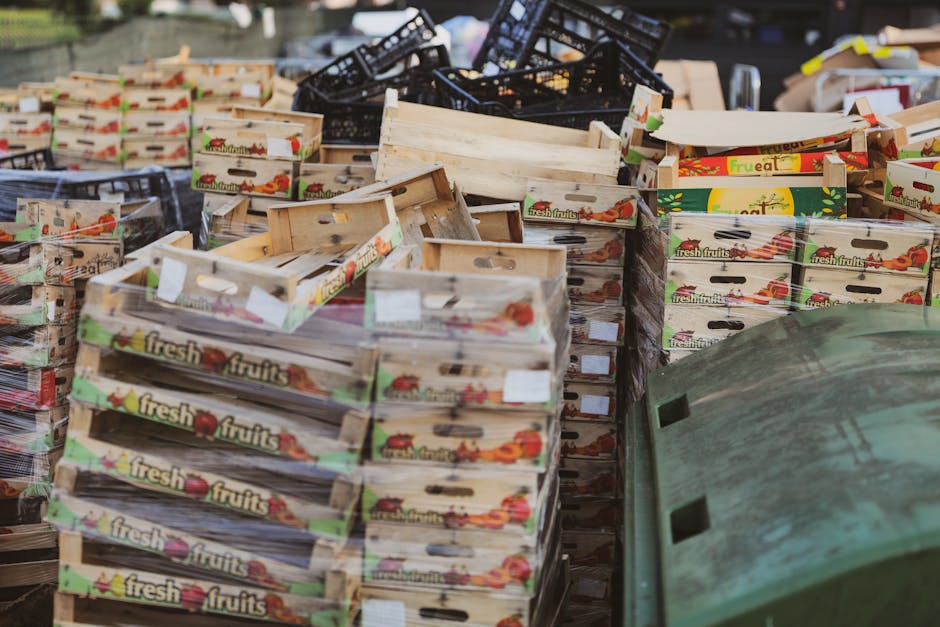
If you are dealing with unwanted stock, packaging, broken fixtures, or the general build-up that comes with a busy market area, a Forest Gate waste clearance guide for Green Street market can save you time, stress, and a few awkward headaches. Green Street is lively, tight on space, and always moving. That is exactly why waste needs handling properly rather than left until "later" - because later has a habit of turning into a problem by 9 a.m. the next morning.
This guide breaks down how clearance works around Forest Gate and the Green Street market area, what to expect from a reliable service, and how to avoid the common mistakes that cause delays, extra cost, or compliance worries. Whether you are a trader, landlord, shopkeeper, contractor, or a local resident clearing bulky items, you will find practical steps here that actually help.
Practical note: the best waste clearance is rarely the flashiest. It is the one that clears the space quickly, keeps routes safe, and leaves you with fewer decisions to make.
Why Forest Gate waste clearance guide for Green Street market Matters
Green Street market is not the sort of place where waste can sit around unnoticed. Footfall changes quickly, deliveries come and go, and traders often work in narrow windows before customers arrive. A small pile of cardboard, broken crates, or old display units can become a trip hazard, block access, or make a unit look neglected. In a market environment, presentation matters almost as much as clearance speed.
There is also a very real practical issue: the more mixed the waste, the harder it is to deal with later. A bag of general rubbish is one thing. A stack of timber, a damaged fridge, a metal rack, and a few bags of packaging is another. If you leave it too long, sorting becomes slower, disposal gets trickier, and the whole job feels bigger than it should have done. To be fair, that is how these jobs often snowball.
For businesses near the market, clearance also supports day-to-day operations. A clean rear yard makes deliveries easier. A tidy storage area reduces pest risk. A clear frontage helps staff and customers move safely. And for residents close to the high street, it is often the quickest way to deal with end-of-tenancy clutter, a garage that has become unusable, or bulky waste after a home clear-out.
There is a wider trust angle too. Traders and property owners in busy parts of Newham tend to notice who keeps things organised and who does not. Waste management is one of those quiet signals. It says a place is cared for. Simple, really. But very noticeable.
How Forest Gate waste clearance guide for Green Street market Works
In practical terms, waste clearance is the process of collecting, loading, sorting, and removing unwanted materials from a property or trading space, then directing them toward reuse, recycling, or disposal. Around Green Street market, the best approach is usually a flexible one, because access, timing, and waste type vary so much from one job to the next.
A typical clearance starts with identifying the waste stream. Is it household clutter, retail packaging, old furniture, building debris, garden waste, or business rubbish? From there, the job is assessed for access, volume, and any special handling needs. A dependable service should be able to tell you whether items can be cleared in one visit or whether a staged approach makes more sense.
For many local jobs, same-day or next-day attendance is a huge advantage, especially when traders need to reset a space before opening. If you are planning ahead, a scheduled clearance is often better because it gives you time to separate reusable items, confidential material, and anything that needs special disposal.
You may also want to compare disposal approaches before booking. Not every job needs a skip, and not every job suits a full van load. If you want to understand the difference in a bit more detail, the page on what can go in a skip is a useful reference point, especially if you are weighing up mixed waste versus more controlled sorting.
The main thing is this: the clearance should fit the site, not the other way round. Around Green Street, that usually means planning for traffic, loading access, footfall, and the fact that space is at a premium. Nothing glamorous there, but it matters.
Key Benefits and Practical Advantages
A well-managed clearance does more than remove rubbish. It improves how the space works. That is especially true in a market setting, where clutter can affect everything from first impressions to safety checks.
- Better safety: fewer trip hazards, blocked paths, and stacked materials near busy walkways.
- Cleaner customer experience: a tidy frontage or rear yard makes the whole site feel more organised.
- Faster turnaround: you can get back to trading, storing, or operating without waste getting in the way.
- Improved sorting: recycling and re-use are easier when waste is handled properly from the start.
- Less stress: one clear plan beats a string of half-finished loads and leftover bags.
There is also a practical financial angle. A clear, accurate assessment can help you avoid paying for space you do not need. That matters whether you are clearing a small stall, a back-room stock area, or a larger premises with furniture and mixed waste. If you want to explore pricing factors before deciding, the page on pricing and quotes can help you think through what usually affects cost.
Expert summary: the best clearance jobs are the ones that feel almost boring after they are done. The waste disappears, the space works again, and nobody has to spend the next week moving the same box from one corner to another.
Who This Is For and When It Makes Sense
This guide is useful for more people than you might first think. Green Street and the surrounding Forest Gate area bring together market traders, local retailers, small offices, landlords, residents, and people renovating or moving property. Each of these situations creates different kinds of waste, but the decision to clear it is often the same: the clutter is slowing something down.
You may need waste clearance if you are:
- refreshing a market stall or retail unit
- clearing old display fixtures, shelving, or packaging
- moving out of a flat or house and need bulky items removed
- tidying a garage, loft, or storage room that has become unmanageable
- disposing of damaged furniture after a tenant change
- removing builders' rubble after small works or repairs
- dealing with business waste that cannot simply be put out with normal collections
For home and landlord jobs, it can help to look at specific service categories if the waste is fairly focused. For example, a property clear-out may be better matched to house clearance, while a smaller one-off job in a flat may suit flat clearance. If the issue is mostly old chairs, tables, or cabinets, then furniture clearance or furniture disposal may be more appropriate.
And sometimes the problem is simply bulk. A room can look "almost empty" until you start moving things. Then you realise there are six bags, an old shelf, a broken fan, and a mystery pile in the corner. Happens all the time.
Step-by-Step Guidance
If you want the clearance to run smoothly, a simple sequence helps. It keeps the job manageable and reduces the chance of surprises on the day.
- Identify the waste type. Separate general rubbish, recyclables, furniture, appliances, garden material, and anything hazardous.
- Check access. Note parking, stairways, narrow entrances, loading points, and any time restrictions around the market.
- Remove obvious keepers. Put aside stock, documents, tools, equipment, and anything you still need.
- Flag special items. Refrigerators, freezers, sofas, mattresses, or potentially hazardous materials may need specific handling.
- Get a clear quote or estimate. Make sure the volume, labour, and disposal route are understood before the work begins.
- Prepare the space. Group waste into accessible piles if you can, but do not block exits or walkways.
- Book a suitable time. Around Green Street, early slots can be easier for traders and residents alike.
- Confirm what happens after collection. Good operators will sort items for reuse and recycling where possible.
If you are clearing a business premises, it is worth matching the job to the right service. A worksite full of offcuts and plasterboard will need a different approach from an office full of filing cabinets and chairs. In those cases, builders waste clearance and office clearance are better starting points than a generic tidy-up.
One small but important point: do not leave the sorting until the van arrives. That is how jobs run over, and everyone ends up doing the awkward shuffle in a corridor. No one enjoys that.
Expert Tips for Better Results
From experience, the smoothest clearances are rarely the biggest. They are the ones where the client has thought through the practical bits beforehand.
- Photograph the waste before booking. It helps set expectations and avoids last-minute confusion.
- Keep dangerous or breakable items separate. Glass, sharps, and chemical containers should never be mixed casually with general waste.
- Label what stays. This matters in busy spaces where multiple people might be moving items.
- Ask about recycling routes. A good provider should be able to explain how items will be handled.
- Choose the right day. If the market is busiest at a certain time, book outside that window if possible.
- Leave a clear path. Even a modest clearance goes faster when the team can reach the waste without weaving around obstacles.
If you are dealing with special household items, it can also help to think about category-specific disposal. For example, old bedding or large upholstered items often need more considered handling, so the page on mattress and sofa disposal may be useful. Likewise, any appliances should be set aside separately for proper treatment, and fridge and appliance removal gives a more targeted route for those items.
Little practical truth: the ten minutes you spend organising waste before collection can save half an hour of confusion later.
Common Mistakes to Avoid
Most clearance problems are not dramatic. They are just annoying. Still, annoying has a way of becoming expensive if you ignore it.
- Mixing hazardous and general waste. This can create safety and disposal issues.
- Underestimating volume. A few piles can become a van-full surprisingly quickly.
- Not checking access. Narrow streets, parked vehicles, and busy loading periods can slow everything down.
- Leaving everything unsorted. If you want the job done efficiently, give the team enough information to work with.
- Ignoring special items. Sofas, fridges, mattresses, and confidential papers need careful handling.
- Booking without reading terms. It is dull, yes, but useful. A quick look at terms and conditions can avoid misunderstandings later.
Another common issue is waiting too long because the clutter does not "seem that bad". Then a delivery arrives, or you get a last-minute inspection, or the space has to be handed back. Suddenly it is urgent. Very urgent. That is when rushed decisions happen.
Tools, Resources and Recommendations
You do not need a complicated toolkit to manage waste well, but a few practical resources can make life easier.
- Basic sorting bags or tubs: useful for separating recyclables, paper, and loose waste.
- Labels or tape: ideal for marking items that stay on site.
- Gloves and sturdy footwear: sensible for anyone moving bulky or dirty items.
- Photos on your phone: helpful when explaining the job to a clearance provider.
- Access notes: write down gate codes, stair counts, and parking limits before the day.
For businesses, it is also worth thinking about secure handling for paperwork and sensitive records. If your clearance involves files or old documents, confidential shredding is the relevant service to explore rather than treating paper waste as ordinary rubbish.
Another useful page for business owners is business waste removal, because it gives a broader view of ongoing waste handling, not just one-off clearances. And if you are comparing wider sustainability practices, recycling and sustainability is a sensible read before you commit to a provider.
In a busy area like Green Street, the right recommendation is usually the simplest one: choose a service that explains things clearly and does not leave you guessing. That, honestly, saves a lot of bother.
Law, Compliance, Standards, or Best Practice
Waste clearance in the UK sits within a wider framework of responsible handling, duty of care, and safe disposal. You do not need to become a legal specialist to stay on the right side of things, but you should use a provider that takes compliance seriously.
At a practical level, that means waste should be collected by an appropriate operator, items should be sorted correctly, and anything hazardous should be handled through the proper route. Businesses, in particular, should keep records where necessary and avoid passing waste to anyone who cannot explain how it will be dealt with. That is just good practice, even before you get into the formal side.
Health and safety also matters. Heavy lifting, broken furniture, sharp debris, and appliance removal all carry risks if they are rushed. A professional approach should include sensible loading, safe movement through shared spaces, and care for staff, residents, and passers-by. If you want to understand the standards a provider should work to, the pages on health and safety policy and insurance and safety are useful indicators of how seriously that side is taken.
For more difficult materials, use the right route from the start. Items that may be hazardous should not be left to guesswork. The page on hazardous waste disposal exists for exactly that reason. Better safe than sorry, as they say - and in waste work, that is not just a phrase.
Options, Methods, or Comparison Table
There are a few practical ways to handle waste around Green Street market. The right one depends on volume, urgency, access, and the kind of materials involved.
| Method | Best for | Strengths | Trade-offs |
|---|---|---|---|
| One-off clearance | Mixed waste, bulky items, quick resets | Fast, flexible, minimal disruption | Less suited to ongoing waste streams |
| Skip-based disposal | Longer jobs, projects with steady waste | Useful for larger volumes | Needs space and careful filling |
| Specialist item removal | Fridges, sofas, mattresses, confidential records | Better handling of specific items | May require separate booking or planning |
| Business waste service | Regular trader or office waste | Good for repeat collections and routine management | Not always ideal for one-off bulky clearances |
If you are undecided between skip hire style disposal and a direct clearance service, the guide on what can go in a skip is handy because it highlights how waste type affects the method you choose. For many Green Street jobs, the answer is not "one or the other" but "which is easier for the space you actually have?"
Quick takeaway: if access is tight or the waste is mixed, direct clearance is often simpler. If the project is slower and you have room, a skip-based approach can make sense. There is no single perfect answer for every site.
Case Study or Real-World Example
Picture a small trader near Green Street at the end of a busy week. The back room has become a storage zone for broken display items, flattened cardboard, a worn-out chair, and a couple of bags of mixed waste. Nothing dramatic. Just the kind of buildup that happens when everyone is too busy serving customers to stop and sort properly.
By Friday evening, the space feels cramped. Stock is hard to reach. A delivery is due. The trader does not want the waste sitting outside overnight, and fair enough - that is not ideal in a busy street. So the sensible move is to clear the items quickly, sort the reusable material from the disposal waste, and arrange collection for a time that does not clash with opening hours.
In a case like that, the result is usually immediate. The back room opens up. Staff stop stepping around the same old chair. The delivery can be received without obstruction. The trader is not "more organised" in some magical way; they simply removed the bottleneck. It sounds basic because it is basic. But basic done well is what keeps places running.
For a home-based example, think of a Forest Gate resident clearing a garage before winter. Old furniture, a bike with a flat tyre, a fridge that no longer works, and a few wet cardboard boxes all come out at once. That sort of job is far easier when the right categories are handled separately and the removal is planned rather than improvised. A little structure goes a long way.
Practical Checklist
Use this checklist before you book or start a clearance. It keeps the job focused and reduces the chance of missed items.
- Have I listed all the waste I want removed?
- Have I separated items I want to keep?
- Do I know whether any items are hazardous, heavy, or fragile?
- Is access clear for safe loading?
- Have I checked whether parking or timing will be an issue?
- Do I need furniture, appliance, or confidential document handling?
- Have I compared the job to the right service type?
- Do I understand the likely cost factors?
- Have I read the relevant terms and safety information?
- Am I clear on when the waste needs to be gone?
If you are dealing with a broader property clearance, you may also want to look at home clearance, garage clearance, or loft clearance depending on where the clutter is building up. Matching the service to the space is one of those small choices that makes the whole thing easier.
Conclusion
Forest Gate waste clearance around Green Street market works best when it is planned around the real conditions on the ground: busy footfall, tight access, mixed waste, and the need to keep spaces safe and presentable. Once you think in those terms, the job becomes much easier to manage. You are not just "getting rid of rubbish"; you are keeping a trading space, property, or home functional.
The smartest approach is usually simple: sort the waste, identify any special items, choose the right disposal route, and work with a provider that understands the local rhythm of the area. That can save time, reduce stress, and stop a small pile from becoming a much bigger one. And let's face it, nobody needs more of those.
If you are ready to tidy up a market unit, clear bulky waste, or plan a more organised removal, take the next step with a clear list and a realistic plan. The space will feel better for it, often sooner than you expect.
Get a free quote today and see how much you can save.
Frequently Asked Questions
What is the best waste clearance option for Green Street market traders?
The best option depends on the type and amount of waste. For mixed items, bulky stock, or a quick reset before trading, a direct clearance service is usually the most practical. If waste builds up gradually and you have the space, a skip-based approach may also work well.
Can I clear market waste the same day?
Often, yes, if the provider has availability and access is workable. Same-day clearance is especially useful for traders who need to reopen fast or remove clutter before a busy trading period. It is still best to send photos or a clear description first.
Do I need to separate recyclable waste before collection?
It helps, but it is not always essential. Separating cardboard, metal, wood, and reusable items can make the process smoother and may improve recycling outcomes. If you cannot sort it all in advance, a good clearance team should still help organise it properly.
What kind of items can usually be removed?
General rubbish, furniture, cardboard, shop fittings, garden waste, appliances, and many bulky household items can usually be taken away. Special items such as fridges, sofas, mattresses, hazardous materials, or confidential documents may need a specific service.
Is waste clearance suitable for small market stalls?
Yes, absolutely. Small stalls often produce awkward waste that is too bulky for ordinary bins but not enough to justify a large-scale solution. A compact, one-off clearance can be ideal for packaging, broken fixtures, and old stock containers.
How do I know if my waste is hazardous?
If waste may contain chemicals, oils, solvents, batteries, or other potentially harmful material, treat it cautiously and ask for guidance. Do not mix it with normal rubbish. If you are unsure, it is safer to describe the item before collection.
Will the waste be recycled?
That depends on the materials and how they are sorted, but responsible clearance should aim to recycle or reuse as much as possible. Good operators will usually explain how different item types are handled after collection.
What is the difference between furniture disposal and furniture clearance?
Furniture disposal usually refers to removing individual items, while furniture clearance often covers a broader set of pieces from a room, flat, or premises. If you have several bulky items together, clearance may be the more efficient choice.
How can I prepare for a waste clearance visit?
Make access easy, separate anything you want to keep, and group the waste so it can be seen and reached. It also helps to note parking details, gate access, and any time restrictions in advance. A few minutes of prep can save a lot of faffing around.
Is business waste handled differently from household waste?
Yes, it often is. Business waste can include stock, packaging, office items, and confidential material, all of which may need different handling. If you are clearing a trading space or office, a business-focused service is usually the better fit.
Should I book a specialist service for appliances?
If your waste includes fridges, freezers, or similar appliances, yes, specialist handling is wise. These items can be heavy, awkward, and in some cases require separate treatment. The right removal route keeps things safer and cleaner.
What should I do if I am not sure what service I need?
Start by listing the items and taking a few photos. Then compare the job to the most relevant service type, such as house clearance, office clearance, or business waste removal. If the waste is mixed or awkward, asking for guidance before booking is usually the safest move.
Sometimes the hardest part is just getting started. Once you do, the rest tends to fall into place.