Business Waste Removal in Newham

Business waste removal in Newham needs a practical, tidy approach that fits workplaces with different volumes, access points and disposal needs. We handle commercial waste collection for offices, shops, workshops, hospitality premises and shared buildings, with a focus on keeping the process straightforward from the first enquiry to the final uplift. The aim is to remove unwanted material safely, separate recyclable items where suitable, and leave the space ready for normal use again.
Our service covers a broad range of day-to-day business waste, from routine bagged rubbish and office clear-outs to bulkier items such as furniture, fixtures and mixed contents from storage areas. Commercial waste rarely arrives in one neat category, so the work is planned around what is actually on site. That may mean clearing a back room, removing old stock, dealing with archived paperwork through confidential shredding, or arranging a larger clearance where several waste streams need to be taken away together.
If you need business waste removal in Newham, use this page to understand the main service and the kinds of jobs it can support. Tell us what needs clearing and where it is located, then request a quotation using the contact details or a suitable enquiry page when you are ready.
Commercial waste collections for everyday premises
Business waste collection is often about keeping a workplace functioning without letting unused materials build up in stores, corridors, reception areas or loading bays. We can remove mixed business rubbish, packaging, broken office items and other non-hazardous waste that accumulates during ordinary trading, refits or stock rotation. In many cases the most useful approach is a planned collection that matches the type of waste produced by the premises, so the job stays organised and the removal is completed with minimal interruption.
For larger or more irregular clearances, it helps to think in terms of access, item type and volume rather than simply the room where the waste is stored. A small office may have a single filing area, whereas a retail unit might have shelving, packaging and redundant display pieces in several parts of the building. We can also help where the waste includes furniture and fittings, with related services such as office clearance and furniture clearance offering a more targeted way to deal with specific categories of unwanted items.
What can be included in a business clearance
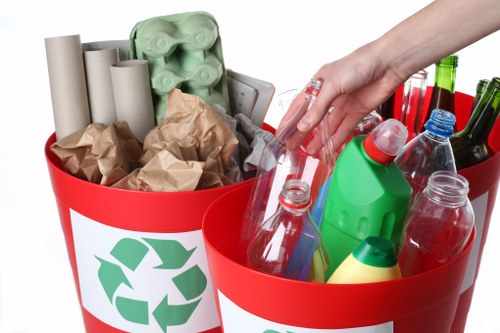
Business waste removal is rarely one-size-fits-all, because different premises generate different materials. Offices may need desks, chairs, archive boxes and assorted rubbish removed. Shops may have packaging, display units and stockroom clutter. Light industrial and trade premises may produce mixed waste from maintenance, cleaning or reconfiguration work. The service is designed to deal with this practical mix while keeping reusable and recyclable material separate where the load allows.
Typical items can include unwanted office furniture, filing cabinets, broken shelving, cardboard, bagged waste, small appliances and general contents from work areas. If the waste involves household-style items from staff areas or managed properties, related pages such as home clearance and flat clearance may describe other clearance options on the same site. For premises with larger storage spaces or seasonal build-up, a broader clearance plan can be more suitable than repeated one-off item removals.
When reviewing what needs to go, it helps to separate three things: items that are definitely waste, items that might be reused internally, and items that may need specialist handling. That distinction keeps the job efficient and avoids mixing ordinary commercial rubbish with material that requires separate treatment. It also makes it easier to choose the right service level, especially if the load includes appliances, furniture or other bulky contents that need more space and care during removal.
Handling bulky items, fittings and office contents
Many businesses need more than a bin uplift. Larger items can be awkward to move through tight corridors, shared entrances or upper-floor premises, so the clear-out has to be planned around access as well as weight. We can remove bulky office and commercial items such as desks, chairs, cabinets, storage units and mixed contents that no longer serve the workspace. Where the job is mainly about freeing up floor area before a move or refit, a focused clearance is often the cleanest solution.
Furniture-heavy waste often benefits from being grouped by type before collection day. That makes it easier to separate office seating, worktops, cabinets and soft furnishings, and it can also reduce delays when the team arrives. For furniture that is beyond reuse, the disposal route matters as much as the lifting, which is why dedicated pages like furniture disposal and mattress and sofa disposal can be useful references when the load includes specific bulky items.
Some jobs also involve mixed contents from cupboards, cupboards, cupboards?
Preparing a clear and workable quotation
A good quotation starts with clear information about what needs removing and how much of it there is. The most useful details are usually the type of waste, the approximate quantity, any bulky items, whether the work is inside or outside, and anything that may affect access such as stairs, loading restrictions or shared entrances. If the waste includes mixed materials, a simple description of the main categories is enough to begin with; the key is accuracy, not overcomplication.
For many business customers, it also helps to note whether the work is part of a wider plan, such as a refit, vacating a unit or clearing a back office after a period of accumulation. That context can influence timing and the most practical method of removal. When you are ready to move forward, use the site’s enquiry route such as pricing and quotes for a quotation request, or book online if that suits the job and the information you already have.
Useful details for a faster estimate often include the premises type, the room or area to be cleared, the estimated volume, and whether there are items that need careful handling. A few photos can help too, but they are only one part of the picture. If the waste is stored in a rear yard, basement or upper floor, mention that as well. The more precise the description, the easier it is to match the removal to the right service.
Business waste disposal choices and recycling
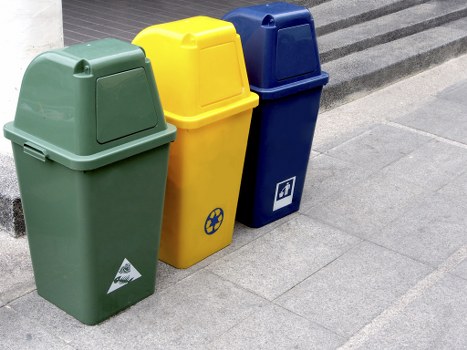
Commercial rubbish does not all follow the same disposal route, so good planning matters. Where possible, recyclable material should be kept separate from general waste, particularly cardboard, metal, certain plastics and items that can be sorted without creating extra handling issues. A responsible clearance process looks at what can be diverted from disposal and what must be treated as residual waste. That approach is practical as well as sensible for businesses that want a tidy outcome.
It can also be helpful to think about the condition of the material before removal. Clean office furniture, reusable fixtures or items in better condition may be handled differently from damaged or contaminated waste. The same is true of small appliances and mixed contents. If the job includes items that need special rules or separate checks, the relevant service page such as hazardous waste disposal or fridge and appliance removal gives a more specific route than a general waste collection.
Recycling is most effective when the waste is presented in a sensible, workable format. Loose bags, stacked furniture and grouped boxes are easier to sort than mixed piles spread across several rooms. That does not mean everything has to be perfectly prepared, only that clear organisation helps the collection run smoothly. Where items are already separated, the work can usually move faster and with less handling, which is better for the space and for the overall clearance plan.
When a wider property clearance makes sense
Not every business waste job is limited to one corner of a premises. Sometimes the work spans several rooms, a shared store, a mezzanine level or a back area that has been used for long-term storage. In those cases a broader clearance can be more suitable than repeated small collections. That is especially true when the waste includes a mixture of office contents, furniture, packaging and miscellaneous items that need to be removed together in a single, orderly visit.
For premises with additional spaces such as garages, lofts or domestic-style storage areas within business premises, related clearance pages can help define the work more clearly. You may find garage clearance or loft clearance useful when the item type and access route matter more than the business classification itself. Where a site has several cluttered zones, it can be more efficient to group them into one plan rather than handling them as isolated tasks.
At this stage, it is worth deciding whether the priority is simply removal, or removal plus sorting. Some business customers want everything taken away at once, while others prefer to separate archives, reusable office furniture and general rubbish. Either approach can be organised, but the quotation should reflect the final goal. That makes the collection more predictable and helps avoid surprises on the day.
About Newham

Newham is a London borough in East London, formed in 1965 from the former county boroughs of East Ham and West Ham. It occupies a strategically placed stretch of the Lower Lea Valley and the Thames waterfront, and its modern identity has been shaped by both historic industrial land and large-scale redevelopment. Stratford is one of its best-known districts, especially after the major regeneration associated with the Queen Elizabeth Olympic Park and the transport improvements that accompanied the 2012 Games. The borough also includes areas such as Canning Town, Plaistow, Forest Gate, East Ham and Beckton, each with its own local character and layers of development. Newham’s built environment ranges from Victorian terraces and interwar streets to newer apartment blocks, shopping centres and commercial estates, reflecting the area’s changing role within London over more than a century. Waterways are part of the borough’s geography too, with the River Lea, the Royal Docks and a network of channels and docks influencing movement, industry and landscape. Cultural life in Newham is equally varied, shaped by markets, faith communities, performance venues and everyday street activity across a densely populated urban area. The borough’s scale and mixture of old and new make it a distinctive part of London, with strong connections to the city centre, Docklands and neighbouring east London districts.
Choosing the right removal for your premises
The right service is usually the one that matches the nature of the waste, the layout of the premises and the urgency of the clear-out. A small office with a few redundant items may only need a straightforward collection, while a busy workplace with shelving, archive material and broken furniture may benefit from a more structured clearance. It is often better to choose a single plan that covers the whole problem than to patch together several partial removals.
Where businesses are managing several categories at once, the process works best when the main items are identified first. That might include standard rubbish, office furniture, appliances, or specialist material that cannot be mixed with the rest. If the premises also contain unwanted household-style contents or items from staff accommodation, pages such as house clearance and builders waste clearance can help distinguish the type of work from ordinary commercial rubbish removal.
In practice, the strongest plans are simple: identify the waste, check access, agree the scope and choose the relevant service route. That avoids confusion and helps the collection focus on the items that actually need to go. If the job is still growing as the week goes on, it is usually sensible to describe the full likely load at the quoting stage rather than only the first part of it.
Practical points before collection day
Two small steps often make a business waste job easier: group the items you want removed, and keep anything staying on site separate. That does not mean you need to sort every screw or file in advance, but it does help if the main waste is in one place or clearly identified. Where access is limited, it may also be useful to note door widths, stairs, lifts or loading arrangements, because these details affect how the collection is carried out.
If the clearance involves paperwork, archives or sensitive records, it is better to treat them separately from general rubbish. Likewise, if the load includes broken electrical items, food appliances or materials that may need special handling, make that clear before the job is booked. For businesses that want to compare options before they proceed, the site’s pages on payment and security and insurance and safety may help explain the practical side of the service without turning the job into unnecessary admin.
Once those points are clear, the rest of the process can stay simple. A concise description, a sensible quotation and a well-matched removal plan are usually enough to get the work moving. If you are gathering information for a larger clearance, now is a good moment to request a quotation and decide how you want the waste handled.
Request a quotation for business waste removal in Newham

When you are ready to clear commercial waste, the easiest next step is to send a clear description of the premises and the items that need removing. We can then assess the likely scope and suggest the most suitable service route for the job. Whether you need a routine collection, a larger office clear-out or help with a mixed business load, the aim is to keep the process sensible, organised and suited to the site.
If your enquiry includes repeated waste, a one-off clear-out or several different item types, mention that at the outset so the quotation reflects the full picture. That is especially useful when the work involves furniture, fixtures, appliances or items stored across more than one area. For direct contact, use contact us and ask for a quotation for business waste removal in Newham.
Get in touch today to arrange a straightforward quote and move the waste on without unnecessary delay.